
I've tested slow cookers for years — and I still remember the first time I opened the lid to find gray, limp zucchini floating in a pool of broth. The problem? Slow cooker vegetables mushy is almost never about the machine. It's about when you add them and how you cut them.
What I'll Cover (Skip Ahead)
Why Vegetables Get Mushy (Even on Low)
A slow cooker holds moisture and heat for hours. Most vegetables are 80–95% water. When you lock that moisture in with a tight lid, cell walls break down fast. But here's the non-obvious part: many recipes tell you to dump everything in at once. That's a trap. Carrots take 4–5 hours to soften; zucchini is done in 45 minutes. Cook them together and the zucchini turns to paste.
I learned this at a potluck in Portland — someone made a gorgeous-looking veggie stew, but the peppers had lost all texture. She told me she followed the recipe exactly. The recipe was wrong.
Another culprit: too much liquid. Slow cookers trap steam. If you add 2 cups of broth when 1/2 cup would do, you're essentially boiling the vegetables for hours. Mush city.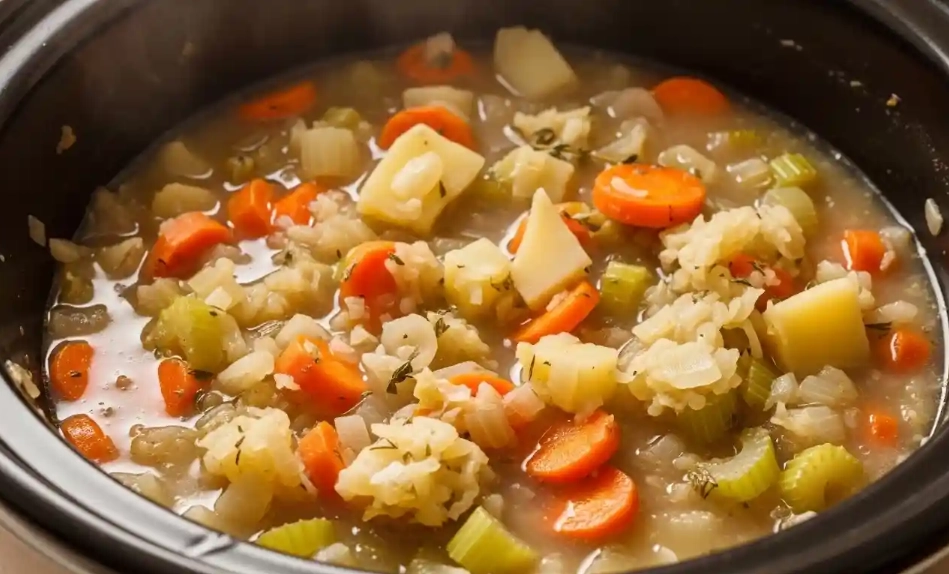
How to Keep Vegetables From Getting Mushy
Three rules I follow every single time. They're not fancy, but they work:
- Chop big. Cut dense veggies (carrots, potatoes, parsnips) into 1.5-inch chunks. Small pieces cook faster and lose shape. For quick-cook veggies (zucchini, peas, spinach), keep them out until the last 30 minutes.
- Go easy on liquid. Use just enough to cover the bottom of the pot — about 1/2 cup for a 6-quart cooker. The veggies will release their own juices.
- Layer smart. Dense vegetables go on the bottom (closest to the heat). Tender ones go on top. Never stir until the end.
Cooking Times Chart for 12 Common Vegetables
Here's a quick reference I keep taped inside my pantry door. These are for a 6-quart slow cooker on low heat.
| Vegetable | Prep (chop size) | When to Add | Approx. Time on Low |
|---|---|---|---|
| Carrots | 1.5-inch chunks | Start | 4–5 hours |
| Potatoes (waxy) | 1.5-inch cubes | Start | 4–5 hours |
| Parsnips | 1.5-inch chunks | Start | 4–5 hours |
| Butternut squash | 2-inch cubes | Start | 3–4 hours |
| Onions (quartered) | Quartered | Start | 3–4 hours |
| Green beans | Whole, trimmed | Start | 3–4 hours |
| Bell peppers | 1-inch strips | Last 1 hour | 45–60 min |
| Zucchini | 1-inch half-moons | Last 45 min | 30–45 min |
| Broccoli | Large florets | Last 1 hour | 45–60 min |
| Cauliflower | Large florets | Last 1 hour | 45–60 min |
| Peas (frozen) | No prep | Last 15 min | 15 min |
| Spinach | No prep | Last 10 min | 5–10 min |
One thing I noticed: sweet potatoes behave differently. They turn to mush faster than regular potatoes. If you're using them, cut them into 2-inch chunks and check at 3 hours.
The Layering Trick I Wish I Knew Sooner
It sounds simple, but most recipes ignore it. Here's my exact layering order for a veggie-heavy slow cooker meal (like a stew or pot roast):
Bottom layer: onions, carrots, potatoes — these can take the heat. They also create a barrier so delicate veggies don't sit in liquid.
Middle layer: firm vegetables like green beans or cauliflower. They need moderate heat.
Top layer: quick-cook items — peppers, zucchini, peas. They get added last, but if you're doing a dump-and-go recipe, put them on top so they steam gently instead of boiling.
I tested this with a chickpea and vegetable stew. The batch where I layered everything stayed firm and distinct. The batch where I stirred everything together turned into a uniform mush. Same ingredients, different method.
Quick Fixes If It's Already Mushy
Don't toss it yet. Here's what I do when I've overcooked a batch:
- Drain and mash. Turn mushy veggies into a thick soup or sauce. Blend with a bit of broth and olive oil. No one will know.
- Add crunch on top. Toast some breadcrumbs, nuts, or fried onions and sprinkle over the dish right before serving. Texture contrast saves the meal.
- Fold in something fresh. Toss in raw cherry tomatoes, chopped parsley, or a squeeze of lemon. The freshness masks the softness.
One time I made a lentil stew where the carrots completely disintegrated. I mashed everything with a potato masher, added a splash of coconut milk, and served it over rice. My partner called it "the best dal I've made." Accidentally vegan, accidentally delicious.
Common Questions (Answered by a Slow Cooker Nerd)
I've been cooking with slow cookers for over a decade, and I still occasionally end up with mushy vegetables when I try a new recipe without thinking. The chart above is what I actually use. The layering trick is what I teach friends. And the fixes? They've saved more dinners than I can count.
Share Your Thoughts