My first slow cooker beef stew tasted like hot water with floating meat. I had followed a popular recipe, dumped everything in, set it on low, and left for work. Eight hours later, I opened the lid and found a pot of gray sadness. The meat was dry, the broth was thin, and the vegetables had turned to mush. That was years ago. Now I make slow cooker beef stew that has a deep, glossy broth and tender chunks of beef that don't fall apart. The difference isn't a secret ingredient. It's a handful of small moves that most recipes skip.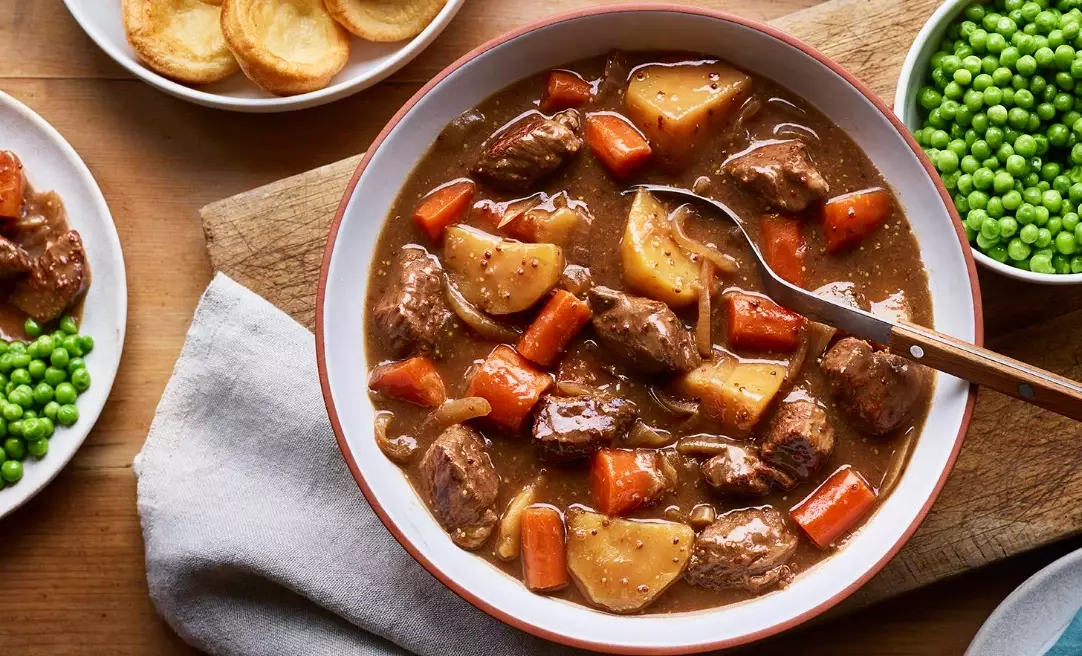
What's In This Guide
- Why Your Slow Cooker Beef Stew Turns Out Bland and Watery
- What Cut of Beef Works Best for Slow Cooker Beef Stew?
- Step-by-Step: How to Build Flavor Before the Slow Cooker
- How to Thicken Slow Cooker Beef Stew Without Cornstarch Glue
- The Vegetable Timing Trick That Saves Your Carrots
- Storage, Reheating, and What Actually Improves Overnight
- Quick Answers to Real Kitchen Problems
Why Your Slow Cooker Beef Stew Turns Out Bland and Watery
Most slow cooker beef stew recipes tell you to throw everything in raw. That works for some dishes. For stew, it's the reason your broth tastes thin. The slow cooker doesn't get hot enough to caramelize meat or vegetables. It just heats them. So you end up with a broth that tastes like the sum of raw ingredients, not a rich stew.
The fix is simple. I brown the beef in a hot skillet first. I don't coat it in flour before browning, which is a common step that actually steams the meat if your pan isn't screaming hot. I brown it dry, in batches, and let it get a dark crust. That crust is flavor. It takes ten minutes. It changes everything.
Another problem: too much liquid. Slow cookers trap steam. The liquid you add at the start is almost the liquid you end with. If you add four cups of broth, you get a thin stew. I start with two cups. If it's too thick at the end, I add more. If it's too thin, I leave the lid off for the last thirty minutes.
The non-consensus tip: Stop adding flour to the slow cooker. Flour needs to boil to lose its raw taste, and slow cookers don't boil. Instead, toss the beef in a little cornstarch after browning, or mash a few pieces of cooked potato into the broth at the end. Both work better.
What Cut of Beef Works Best for Slow Cooker Beef Stew?
Chuck roast is the standard answer, and it's correct. But not all chuck is the same. Look for a chuck roast with visible marbling and connective tissue. That tissue breaks down into gelatin, which gives the stew body. A lean chuck roast will turn dry and stringy.
I also like beef shank. It has more collagen. The broth gets sticky and rich. Short ribs work too, but they're expensive. Here's a quick comparison from my own kitchen tests.
| Cut | Flavor | Texture After 8 Hours on Low | Best For |
|---|---|---|---|
| Chuck roast | Beefy, reliable | Tender, holds shape | Everyday stew |
| Beef shank | Deep, gelatin-rich | Very tender, slightly shreddy | Special weekend stew |
| Round steak | Mild | Dry, chewy | Skip it |
| Short ribs | Intense | Fall-apart tender | Luxury version |
Cut the meat into chunks that are about two inches. Smaller pieces overcook and get mushy. I learned that the hard way after trying one-inch cubes that dissolved into the broth.
Step-by-Step: How to Build Flavor Before the Slow Cooker
Here's my exact process. It takes about twenty minutes of active work. I do this on a Sunday morning and eat stew for three days.
Step 1: Salt the beef early. Pat the chunks dry. Season with salt and pepper. Let them sit on the counter for fifteen minutes. This draws moisture out and seasons the meat inside.
Step 2: Brown in a hot skillet. Use a cast iron or stainless steel pan. Get it hot. Add a little oil. Brown the beef in batches. Don't crowd the pan. Each batch takes about four minutes. You want a dark brown crust. The pan will get dark bits stuck to the bottom. That's good.
Step 3: Deglaze the pan. After all the beef is browned, pour a cup of red wine or beef broth into the hot pan. Scrape the brown bits. Let it bubble for a minute. Pour this liquid into the slow cooker with the beef.
Step 4: Add aromatics and seasoning. I add two tablespoons of tomato paste, a tablespoon of Worcestershire sauce, three cloves of smashed garlic, a bay leaf, and a teaspoon of dried thyme. I don't add salt yet. The broth will reduce, and salt concentrates.
Step 5: Add the right amount of liquid. Two cups of low-sodium beef broth. That's it. The beef and vegetables will release more. The stew will look dry when you start. Trust the process.
Step 6: Cook on low for 7 to 8 hours. No peeking. Every time you open the lid, you lose heat. The slow cooker has to work harder. I set mine in the morning and forget it.
How to Thicken Slow Cooker Beef Stew Without Cornstarch Glue
Cornstarch slurries are tricky in slow cookers. If you add them at the start, they break down. If you add them at the end, you need to boil the stew to activate them, which the slow cooker can't do. Here's what I do instead.
I keep a few russet potatoes out of the slow cooker. I cook them separately and mash them. At the end, I stir the mashed potato into the stew. It thickens without any gluey texture. The potato also adds a slight sweetness that balances the acidity of the tomatoes.
Another option: after the stew is done, take out two cups of broth and vegetables. Blend them. Stir the purée back in. This is my favorite method because it keeps the stew chunky but gives it body.
If you want to use a starch, try arrowroot powder. It works at lower temperatures than cornstarch. Mix one tablespoon with two tablespoons of cold water. Stir it into the stew with the slow cooker on high. Let it sit for ten minutes. It thickens a little. Don't expect it to get super thick. That's fine. Stew isn't gravy.
The Vegetable Timing Trick That Saves Your Carrots
Carrots and potatoes turn to mush after eight hours. I learned this after making stew for a dinner party and serving carrot wallpaper paste. Now I add them in two stages.
Stage one: put sturdy root vegetables like carrots and potatoes at the bottom of the slow cooker. They sit in the liquid and cook slowly. They'll be soft but not disintegrated after seven hours.
Stage two: add frozen peas or corn in the last fifteen minutes. No need to thaw them. Just stir them in, put the lid back on, and let the heat warm them through. They keep their color and bite.
If you use mushrooms, add them in the last hour. They release water, so adding them early makes the stew thin. I also like to add a handful of chopped kale in the last ten minutes. It wilts but stays green.
Storage, Reheating, and What Actually Improves Overnight
Slow cooker beef stew tastes better the next day. The flavors meld. But there's a catch. The potatoes can get grainy if they sit in the fridge for too long. I store the stew in glass containers for up to four days. I reheat it on the stove, not in the microwave, because the microwave cooks the meat unevenly.
If you want to freeze it, leave out the potatoes. Cook a fresh batch of potatoes when you reheat. Frozen potatoes turn watery and mealy. This is a detail most recipes skip. I learned it after freezing a batch and being disappointed.
When reheating, add a splash of beef broth or water. The stew thickens in the fridge. A little liquid loosens it up. Taste it before serving. Sometimes it needs a pinch of salt or a dash of vinegar. The vinegar brightens the whole pot.
Quick Answers to Real Kitchen Problems
My slow cooker beef stew tastes flat even after browning. What am I missing?
Acid. A tablespoon of red wine vinegar or a squeeze of lemon at the end wakes up the whole stew. I also add a piece of Parmesan rind during cooking. It sounds odd, but it adds a savory depth that salt can't.
Can I put frozen beef in the slow cooker for stew?
Don't. Frozen beef stays in the danger zone too long because the slow cooker heats slowly. Thaw it first. And if you're browning it, frozen beef steams instead of browning. Pat it dry and let it sit for twenty minutes before browning.
Why is my stew broth dark and bitter?
You probably burned the garlic or tomato paste during browning. Garlic burns in seconds. Add it after you deglaze the pan. Tomato paste needs constant stirring. I add it last and stir it for just thirty seconds before adding liquid.
How do I make slow cooker beef stew for a crowd without it getting watery?
Use less liquid and more meat. For eight people, use four pounds of chuck and only three cups of broth. Also, brown the beef in batches ahead of time. You can brown it the night before and refrigerate it. The next morning, just dump it in with the other ingredients.
Is it better to cook stew on low or high?
Low. Always low. High heat makes the meat fibers contract faster, which pushes out moisture. The meat gets dry even though it's sitting in liquid. Low heat gives the collagen time to melt. If you're short on time, use a Dutch oven in the oven at 300°F for three hours instead of the slow cooker.
I've made this slow cooker beef stew more times than I can count. I've messed it up plenty. The biggest lesson: browning the meat and controlling the liquid are the two moves that separate a forgettable stew from one you crave. Don't skip them. And don't trust a recipe that tells you to dump everything in raw. That's how you get hot water with floating meat.
Share Your Thoughts