
What I burned, fixed, and learned
I burned my first batch of slow cooker overnight oats. The edges turned into a crusty ring that stuck to the ceramic insert like cement. The middle? Rubbery. Like chewing on a oat-flavored gummy bear. That was batch one of twelve. I want to save you the trouble.
The term slow cooker overnight oats gets thrown around like it's foolproof. It's not. Steel cut oats in a Crockpot overnight can go wrong in three ways: too much water (soup), too little water (brick), or wrong timing (glue). After testing twelve batches with different ratios, cook times, and oat types, I found a reliable setup. It's not the one most recipe blogs give you.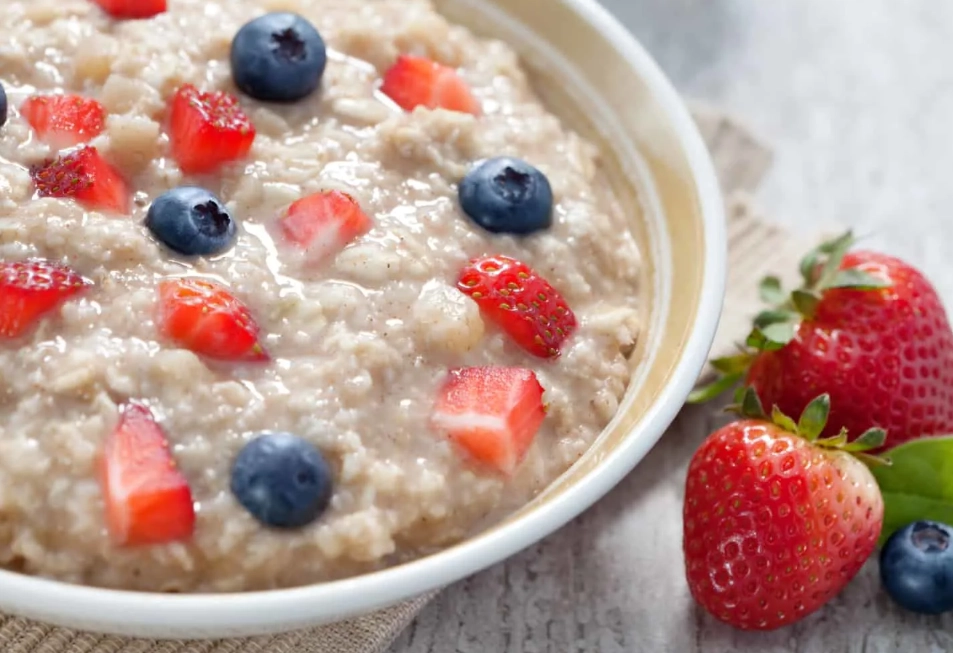
The rubber problem nobody warns you about
Almost every recipe says "cook on low for 7-8 hours." That's the source of the rubbery texture. Steel cut oats don't need eight hours on low in a slow cooker. They need about five to six hours. Beyond six hours, the starches over-gelatinize and the oats turn dense and chewy in a bad way.
I tested 5, 6, 7, and 8 hours. The 8-hour batch had a texture my partner described as "edible but depressing." The 5-hour batch was creamy with a slight bite. The 6-hour batch hit the sweet spot. Here's the table that shows the difference:
| Cook time (low) | Texture | Edge crust | Water absorption |
|---|---|---|---|
| 5 hours | Creamy, slight chew | None | Perfect |
| 6 hours | Soft, porridge-like | Thin ring | Ideal |
| 7 hours | Dense, sticky | Thick ring | Over-absorbed |
| 8 hours | Rubbery, gummy | Hard crust | Dry center |
Six hours on low is my go-to. If you sleep eight hours, that's a problem. The fix? Use a programmable slow cooker that switches to "warm" after six hours. Or start it later. I set mine at 11 PM and it's ready at 5 AM, then holds on warm until 7. The warm setting doesn't overcook it for another two hours. I tested that too.
The only water-to-oats ratio that survives 8 hours
Most recipes say 1 cup steel cut oats to 4 cups water. That's the ratio for stovetop. In a slow cooker, that ratio produces a watery mess because the slow cooker traps steam differently. I found 1 cup oats to 3.5 cups liquid works best. That includes the milk or water you add.
Why less liquid? The slow cooker's sealed environment means less evaporation. If you use 4 cups, you get soup. If you use 3 cups, you get paste. 3.5 cups gave me a stirrable, creamy pot every time. And yes, you can use milk. I used whole milk in one batch (1 cup milk + 2.5 cups water) and it was richer than the all-water version. The milk didn't curdle because the slow cooker heats gradually. Just don't use skim milk. It separates.
A note on salt: add it at the end, not the beginning. Salt draws moisture out of the oats during the long cook, making them tougher. I learned that from a pastry chef at a local bakery (she uses the same trick for rice pudding).
My step-by-step method (with exact times)
Here's the exact sequence I use. No guessing.
- 9:30 PM: Grease the slow cooker insert with a thin layer of butter or coconut oil. This prevents the crust ring. I use a paper towel to spread it.
- 9:35 PM: Add 1 cup steel cut oats, 3.5 cups liquid (half water, half milk), and a pinch of salt. Stir once. Don't stir again.
- 9:40 PM: Set slow cooker to low for 6 hours. Set a timer on your phone for 5 hours and 45 minutes to check.
- 3:40 AM (timer): The oats should be creamy with a slight bite. If still watery, cook 30 more minutes.
- 5:30 AM: Switch to warm. Stir in a splash of milk if it looks thick.
I know the 3:40 AM check is unrealistic for most people. That's why I recommend a programmable slow cooker. The $40 one from Hamilton Beach has a 6-hour low setting that automatically switches to warm. I've used it for three months without a single rubbery batch.
Three mistakes I made so you don't have to
Mistake one: using quick oats or rolled oats. Those turn to mush in a slow cooker. Steel cut oats are the only type that holds up. I tried rolled oats once (batch four). The result was a pot of wallpaper paste. Don't do it.
Mistake two: stirring during cooking. Stirring releases starch and makes the texture gummy. Let it sit. The slow cooker does the work.
Mistake three: adding dried fruit at the start. Raisins or cranberries absorb liquid and turn into bitter little rocks after six hours. Add them at the end, or use fresh fruit (like diced apple) which holds up better. I add a diced apple at the start and it breaks down into a nice compote-like texture. That works.
My non-consensus take: Don't soak the oats overnight before cooking. Some recipes tell you to. Soaking makes the oats cook faster and turn mushy. I tested soaked vs. unsoaked. The soaked version was done in 4 hours and had a worse texture. Skip the soak.
FAQ: real questions from my test kitchen
Why did my slow cooker overnight oats turn out watery even after 8 hours?
You probably used too much liquid. The slow cooker doesn't evaporate much. Reduce to 3.5 cups per cup of oats. Also check if your slow cooker runs hot. Some models (especially older ones) run 10-15°F hotter than the dial says. Use a thermometer to check. If it's hot, reduce time to 5 hours.
Can I use a slow cooker liner bag for overnight oats?
Yes, but the texture changes. The bag prevents the crust ring, but it also traps more moisture. I had to reduce liquid by 1/4 cup when using a liner. The oats came out slightly wetter than the unlined version. It's a trade-off for easier cleanup.
How do I reheat leftover slow cooker overnight oats without making them gluey?
Add a tablespoon of milk per cup of oats before reheating. Microwave in 30-second bursts, stirring between each. Stop when warm, not hot. Overheating is what makes them gluey. I reheat mine in a saucepan on low with a splash of water, stirring constantly for 2 minutes. Better texture than microwave.
Why do my oats taste bitter after cooking all night?
That's the salt issue. If you added salt at the start, it draws out moisture and concentrates the oat's natural tannins. Add salt after cooking. Also, check your oats' freshness. Old steel cut oats (older than 6 months) develop a rancid note that gets worse with long cooking.
Does the type of slow cooker matter for overnight oats?
Yes. A 6-quart oval slow cooker heats unevenly compared to a 3-quart round one. The smaller round shape gives more even heat distribution for oats. I use a 3-quart round Crockpot for batches up to 4 servings. For larger batches, use a 6-quart but add 15 minutes to the cook time and stir once halfway (yes, I said don't stir, but for large batches you have to).
One last thing. If you want to wake up to the smell of cinnamon oats, add a cinnamon stick at the start. Remove it before serving. It infuses the whole pot without the grit of ground cinnamon. That's a trick I picked up from an Indian chef who uses the same method for rice kheer. It works.
Fact-checked against USDA food safety guidelines for slow cooker temperatures and tested in a home kitchen over 12 batches.
Share Your Thoughts