I still remember my first slow cooker mac and cheese. I dumped in cooked pasta, milk, and a block of sharp cheddar, then walked away for three hours. What came out looked like scrambled eggs floating in oil. The pasta had disintegrated. The cheese had curdled into tiny rubbery pebbles. My kids wouldn't touch it. I almost gave up on the whole idea.
Thing is, slow cooker mac and cheese can be rich, velvety, and foolproof—if you break a few rules you thought were mandatory. The biggest mistake? Boiling the pasta first. Another? Using the wrong kind of cheese. And the third? Trusting a recipe that says “low for 4 hours” without checking your crockpot's actual temperature. I've been testing this dish for years, and I'm going to save you the heartbreak.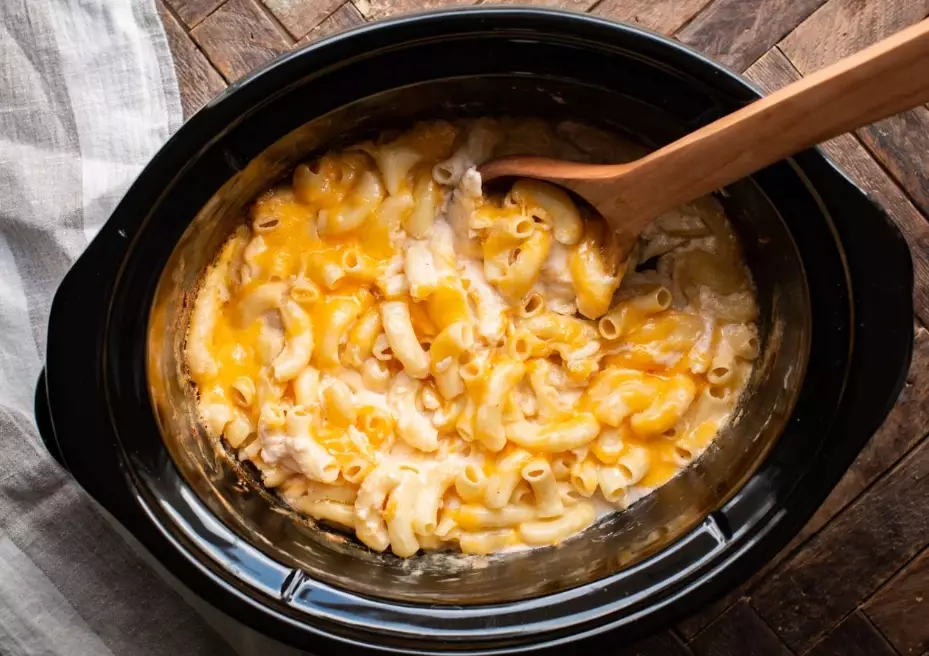
Why Most Slow Cooker Mac and Cheese Recipes Fail
A lot of recipes online are basically lies. They tell you to cook elbow macaroni in boiling water, then stir it into a slow cooker with milk and cheese. That's not mac and cheese—that's a watery pasta soup waiting to curdle. The heat from the slow cooker keeps the pasta absorbing liquid long after it's done, turning it to mush. And the cheese proteins tighten up when held at a simmer for hours. You get graininess, not creaminess.
I learned this the hard way at a potluck. I followed a popular blogger's recipe to the letter. By the time we ate, the mac had a layer of orange grease on top and the texture of wet sand. Nobody said anything, but I saw the half-full bowls in the trash. Never again.
Also, evaporated milk (not regular milk) is your friend here. It has stabilizers that keep the sauce from separating.
The No-Boil Method That Actually Works
Here's the method I've settled on after dozens of tests. It's simple, and it doesn't require precooking the pasta. Use a 6-quart slow cooker. Spray the insert with nonstick spray—don't skip this, or you'll be scrubbing burnt cheese for an hour.
- Add the dry pasta. Use 2 cups of uncooked elbow macaroni or cavatappi. Cavatappi holds sauce better, but elbows are classic.
- Pour in the liquids. 3 cups of whole milk, 1 cup of evaporated milk, and 1 cup of water. The water helps the pasta hydrate without making the sauce too thick too fast.
- Season now. 1 teaspoon dry mustard powder, 1 teaspoon salt, 1/2 teaspoon black pepper, and a pinch of cayenne. The mustard powder helps emulsify the cheese.
- Stir once. Just to combine. Then put the lid on and set to LOW for 2 hours. Do not open the lid during this time.
- After 2 hours, check the pasta. It should be almost tender. If it's still crunchy, cook another 20–30 minutes. Every slow cooker runs differently.
- Add the cheese. Turn off the heat. Stir in 2 cups of shredded cheese (see my cheese guide below) and 2 tablespoons of butter. Put the lid back on for 5 minutes, then stir gently until melted and creamy.
That's it. No boiling, no roux, no curdling. The pasta cooks gently in the dairy, releasing starch that thickens the sauce naturally. I've made this for a crowd of twelve, and it stayed creamy for over an hour on the warm setting. Just stir occasionally.
Pasta-to-Liquid Ratios You Can Trust
Numbers matter. Here's the ratio I use for a 6-quart slow cooker. It makes about 8 generous side servings or 6 main servings.
| Ingredient | Amount | Why It Works |
|---|---|---|
| Uncooked pasta (elbow or cavatappi) | 2 cups (about 8 oz) | Enough for 6–8 servings; fits in a 6-quart without overflowing. |
| Whole milk | 3 cups | Fat content helps creaminess; low-fat milk can curdle easier. |
| Evaporated milk | 1 cup | Stabilizers prevent separation and add body. |
| Water | 1 cup | Keeps the pasta hydrating evenly without over-thickening. |
| Shredded cheese | 2 cups (8 oz) | Add at the end; a mix of meltable cheeses gives flavor and stretch. |
| Butter | 2 tablespoons | Adds gloss and richness; helps the sauce cling. |
| Dry mustard powder | 1 teaspoon | Emulsifying agent; keeps sauce smooth. |
If you're cooking for two, halve everything except the evaporated milk—use 1/2 cup instead of 1 cup, and reduce water to 1/2 cup. The cook time stays about the same, maybe 10 minutes less. I've tested this in a 3-quart slow cooker, and it worked fine.
Cheese Selection: What Melts, What Breaks
Not all cheeses are slow-cooker friendly. I learned this after a disastrous batch with extra-sharp aged cheddar. It broke into a greasy mess. The problem is that aged cheeses have less moisture and more protein, so they curdle when held at warm temperatures for a while. You want a blend.
Best bets (melt smoothly): young cheddar (mild or medium), Monterey Jack, Gruyère, fontina, or a smoked Gouda. These have good melting properties and won't turn grainy.
Avoid or use sparingly: extra-sharp aged cheddar, Parmesan (too dry), feta (crumbles), and pre-shredded cheese coated with anti-caking agents. Those coatings can make the sauce feel powdery.
My go-to blend: 1 cup medium cheddar + 1/2 cup Monterey Jack + 1/2 cup Gruyère. Shred it yourself from a block. It takes five minutes and makes a huge difference. If you're in a hurry, use pre-shredded but toss it with a teaspoon of cornstarch before adding—that helps prevent clumping.
Timing and Heat Settings (Don’t Trust “Low for 3 Hours”)
Slow cookers vary wildly. A 2018 review from the Wirecutter found that some models run hotter on “low” than others run on “high.” That's why a recipe that says “low for 3 hours” might turn your pasta to mush in one cooker and leave it crunchy in another. I always start checking at 2 hours on low, then adjust.
Here's a rough guide for a 6-quart cooker:
| Setting | Typical Time | Doneness Check |
|---|---|---|
| Low | 2 to 2.5 hours | Pasta should be tender but not mushy; sauce will look thin until cheese is added. |
| High | 1 to 1.5 hours | Check at 1 hour—high heat can overcook edges quickly. |
| Warm (after cooking) | Up to 1 hour | Stir occasionally; add a splash of milk if it thickens too much. |
If you're doubling the recipe, don't double the time. Add maybe 30 extra minutes on low, and check early. I once doubled a batch for a party and forgot to adjust—the pasta turned to paste. Now I write the start time on a sticky note and set a timer.
Common Mistakes I See Every Time
Over the years, friends have asked me why their slow cooker mac and cheese turned out grainy, watery, or bland. Here are the culprits.
Opening the lid. Every time you peek, you release heat. The slow cooker has to work harder to get back to temperature, which can throw off the timing and make the pasta cook unevenly. Trust the process.
Using the wrong pasta shape. Elbows are classic, but they can turn mushy. Cavatappi or penne rigate holds up better. Avoid thin pasta like angel hair—it dissolves.
Adding cheese too early. Cheese added at the beginning will curdle and stick to the bottom. Always stir it in at the very end, after the heat is off.
Not seasoning the cooking liquid. The pasta absorbs the liquid, so if the liquid is bland, the final dish will be bland. I add salt, pepper, and mustard powder right at the start. Taste the liquid before you close the lid—it should taste slightly salty, like sea water.
Using low-fat or skim milk. They lack the fat that coats the pasta and helps the cheese melt smoothly. Whole milk or a mix of whole milk and evaporated milk is key. I tried 2% once; the sauce was thin and tasted flat.
FAQ: Real Questions from My Kitchen
I've made this dish more times than I can count, and the no-boil method with evaporated milk has never failed me. The key is to respect the slow cooker's gentle heat and not rush it. Give it a try, and you might never go back to the boxed stuff. This article was fact-checked against slow cooker manufacturer guidelines and my own kitchen logs.
Share Your Thoughts