Think noble life was all glitz and ease? Think again—these 10 dark truths will shatter your fairy-tale illusions for good. Let’s dig in.
TOP 10: Corsets Left Them Constipated and Bloated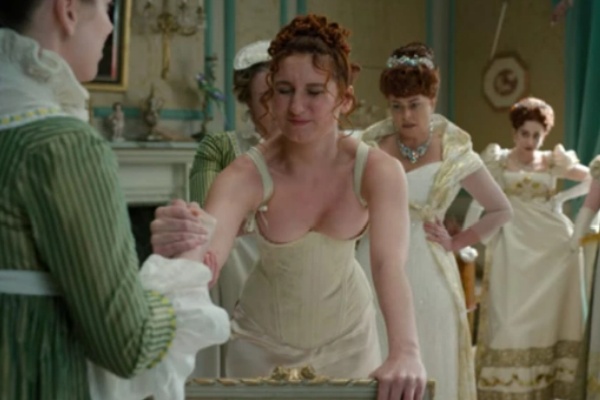
Wearing the latest corset was the ultimate elegance status symbol from the 16th century to early 19th century. These tight garments were a must for noble women—even some men wore them! But looking sleek came at a cost: corsets squeezed the stomach, slowed digestion, and often caused constipation, while constant pelvic pressure led to urinary incontinence, similar to pregnant women’s experiences today. Not so glamorous, right?
TOP 9: Coffee Enemas Were a Regular Thing
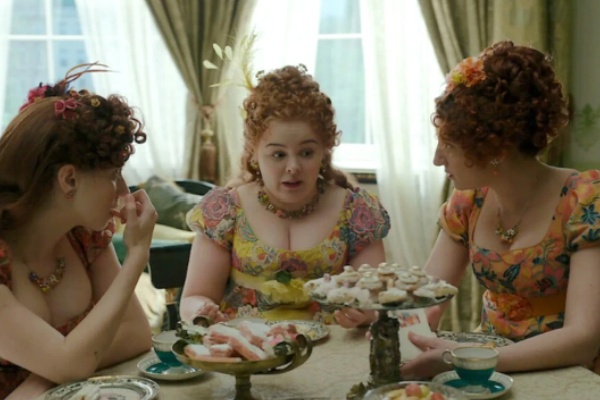
People have long sought detox and health methods, and enemas—dating back to ancient Egypt, where intestinal waste was seen as harmful—are nothing new. The upper class had these treatments monthly, viewing them as key to fitness. The trend peaked in the Renaissance: once a doctor’s job, enemas became a trendy at-home ritual. Wealthy people often had daily enemas to treat illnesses or as prevention, with coffee enemas specifically believed to ward off cancer.
TOP 8: They Never Mopped Floors in Medieval Manors
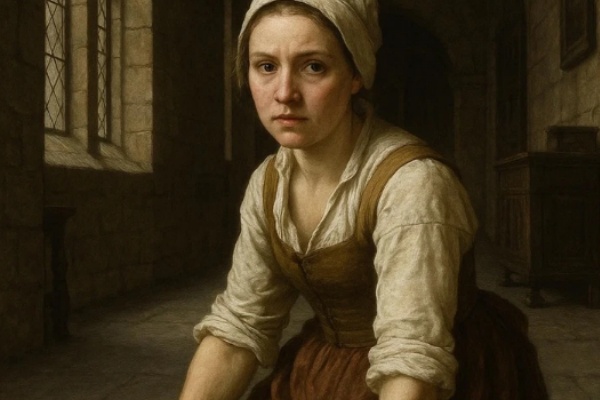
Why? Most medieval manor floors were packed dirt; some plastered or stone-paved, but all covered in reeds and straw. Flowers and herbs were added in spring/summer to mask odors. These floors were filthy—straw was rarely replaced, only swept away with bird feathers or makeshift tools. Tiled floors, especially decorated clay ones, were for the super rich, as they were too labor-intensive to make.
TOP 7: Rules Restricted Women Like Corsets Did
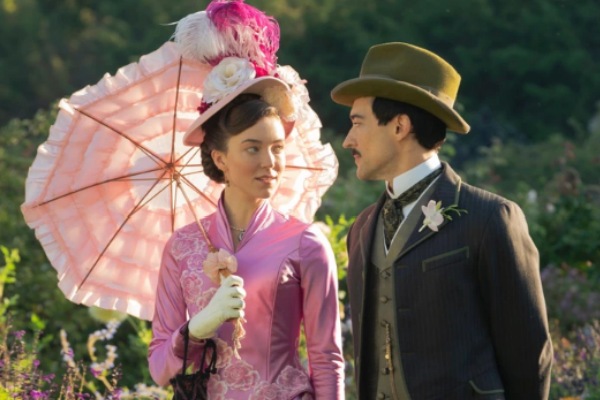
In early 19th-century Britain, noble women’s lives were chained by endless rules—breaking one meant being labeled rude or gaining a permanent bad reputation. Etiquette books demanded strict posture; ladies were expected to faint at swearing. They couldn’t approach known men first, nor speak to men without a chaperone. Unintroduced conversations or ignoring acquaintances were forbidden. At dances, no more than one dance with the same man; post-dinner, ladies left to let men converse undisturbed.
TOP 6: Bad Manners Could Ruin Your Reputation Forever
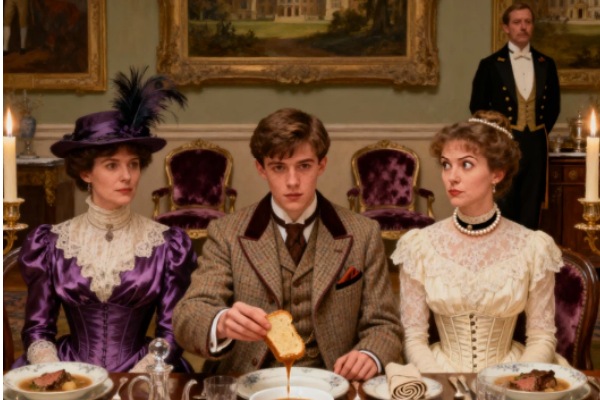
In 19th-early 20th century British upper-class events, strict etiquette reigned. Dipping bread in sauce, wrong utensil use, or controversial talks were rude enough to end social invitations. Formal dinners had strict seating plans; straight posture was mandatory. Guests only spoke to left/right neighbors, switching when the hostess signaled (the “table turn”). Bathroom trips during meals—even long ones—were totally unacceptable.
TOP 5: No Plates in Medieval Times—Just Stale Bread
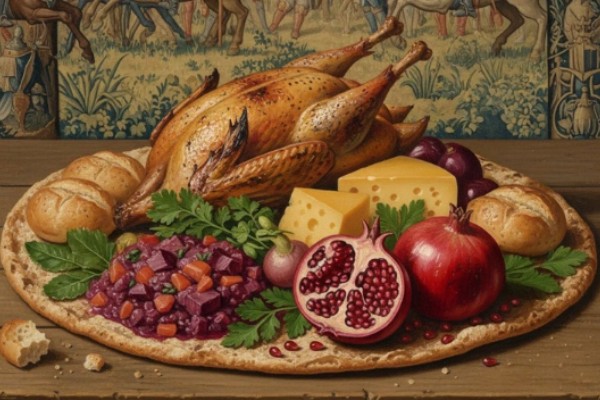
Even if you were a medieval noble, you probably didn’t have proper plates! Instead, your food was served on a slice of stale bread called a “trencher.” After the meal, you could soak the bread in sauce and eat it, or give it to servants or the poor as charity. Over time, the word “trencher” came to mean a flat, rimless plate made of metal or wood. You can still see similar dishes today—like the ones used for cheese platters.
TOP 4: They Blew Loads of Cash on Feasts
For centuries, noble feasts weren’t just about having a good time—they were a way to show off wealth and status. That’s why nobles splurged insane amounts of money on them, and some even ended up in financial trouble. The ultimate symbol of this extravagance? The Palace of Versailles in 18th-century France. The fancy balls there cost a fortune, and the obligation to wear expensive clothes almost bankrupted many noble families.
TOP 3: Laws Banned Certain Clothes
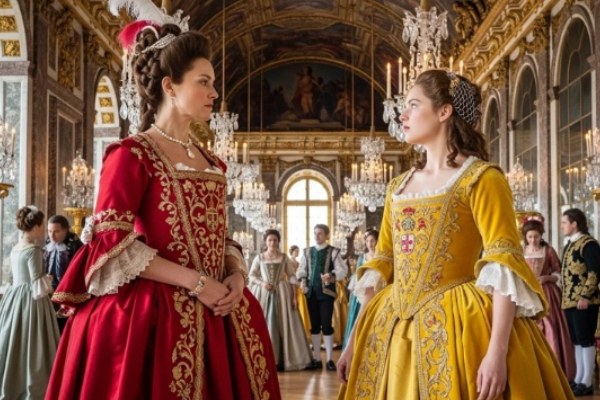
Since the Middle Ages, many countries had “sumptuary laws” banning certain fabrics, furs, decorations or colors to curb wealth flaunting—though many ignored them. Dress was strictly tied to social class. For example, 17th-century French King Louis XIII decreed only princes and nobles could wear gold-threaded, lace-adorned collars and cuffs. Victorian women, when presented to the queen, had to wear white dresses and three ostrich feathers in their hair—no exceptions.
TOP 2: Unlike Commoners, Nobles Rarely Married for Love

Back in Shakespeare’s England, upper-class people had way less freedom to choose their partners than common folks. Arranged marriages were the norm, and the main goal was to boost the family’s wealth and connect with powerful people. Girls who refused their father’s choice risked being disowned by their parents.
TOP 1: They Went to Barbers Instead of Dentists
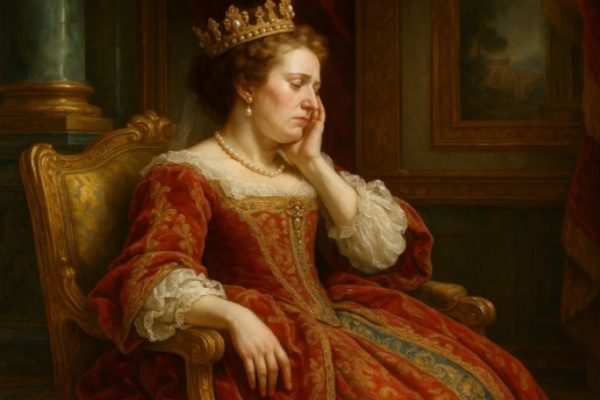
Having money didn’t guarantee good dental care back in the day. Up until the 17th century, “barber-surgeons” were the go-to for all sorts of minor medical needs—they didn’t just trim hair and shave beards, but also handled small surgeries like tooth extractions. Even royal family members weren’t spared: if a toothache struck, the only so-called “cure” was to have this unqualified “expert” yank the painful tooth out, no anesthesia involved. Ouch.




Share Your Thoughts